A river split in two, and it has held for 2,300 years.
No dam, no concrete, no pumps. Three cuts in a riverbed made in 256 BC, still watering the plain that feeds Chengdu.
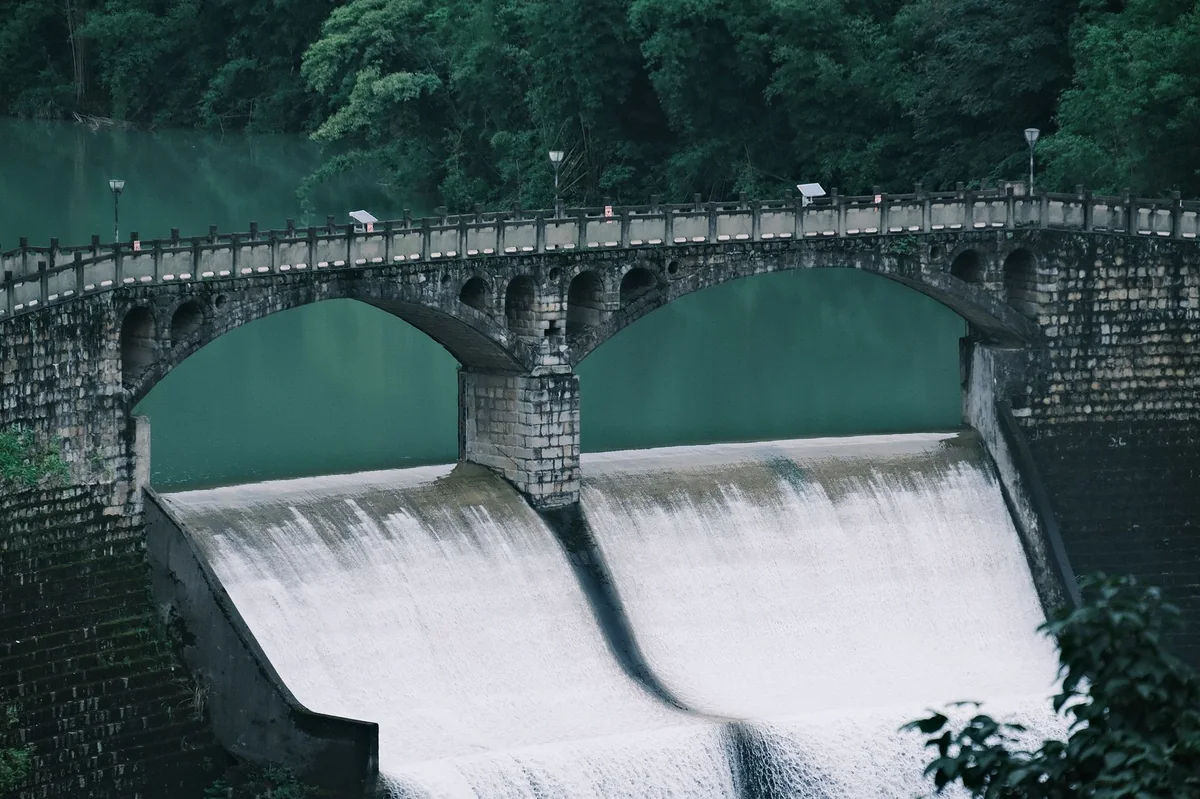 堰 · 鱼嘴分水
The engineering is the least interesting part. That it still works is the interesting part.
Li Bing, governor of Shu, split the Min River into two channels — one to carry floods away, one to water the plain — and the plain behind it became one of the most productive agricultural regions in China. There is no dam. The water is divided by the shape of the riverbed and the angle of a levee.
You walk it in three parts. Yuzui, the fish-mouth levee, splits the current. Feishayan, the spillway, throws flood water aside. Baopingkou, the narrow mouth, controls how much enters the plain. In spring, if the timing is right, the annual dredging is still done by hand.
The suspension bridge across the river moves when people walk on it, which is the point, and below it the water is fast and grey-green and very loud. Halfway across, most people stop holding the rail and just stand there for a minute.
Three parts, one river.
The route is flat and about three kilometres. A guide takes the first hour, then you wander.
How a riverbed became a water authority.
The first film is the combined Dujiangyan-and-Qingcheng day, in 4K — the route we usually suggest. The second explains the mechanism in a few minutes.
Water, stone, and 2,300 years of maintenance.
The levee, the bridge, the temples, and the ordinary banks where people walk their dogs.
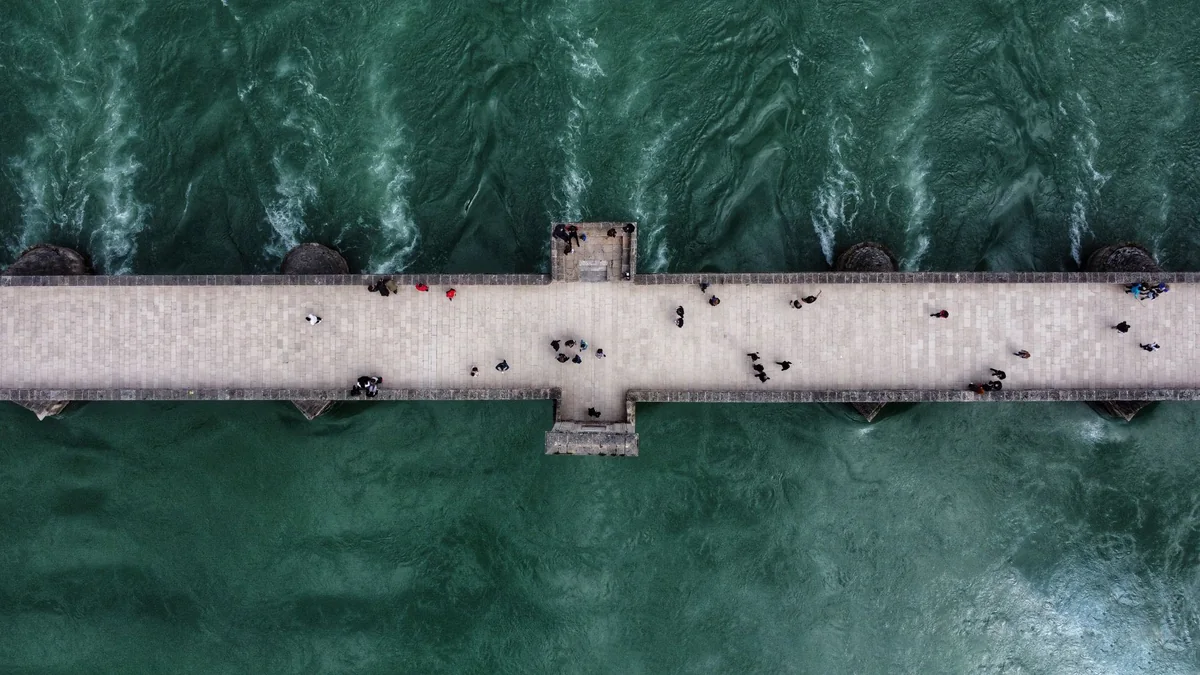
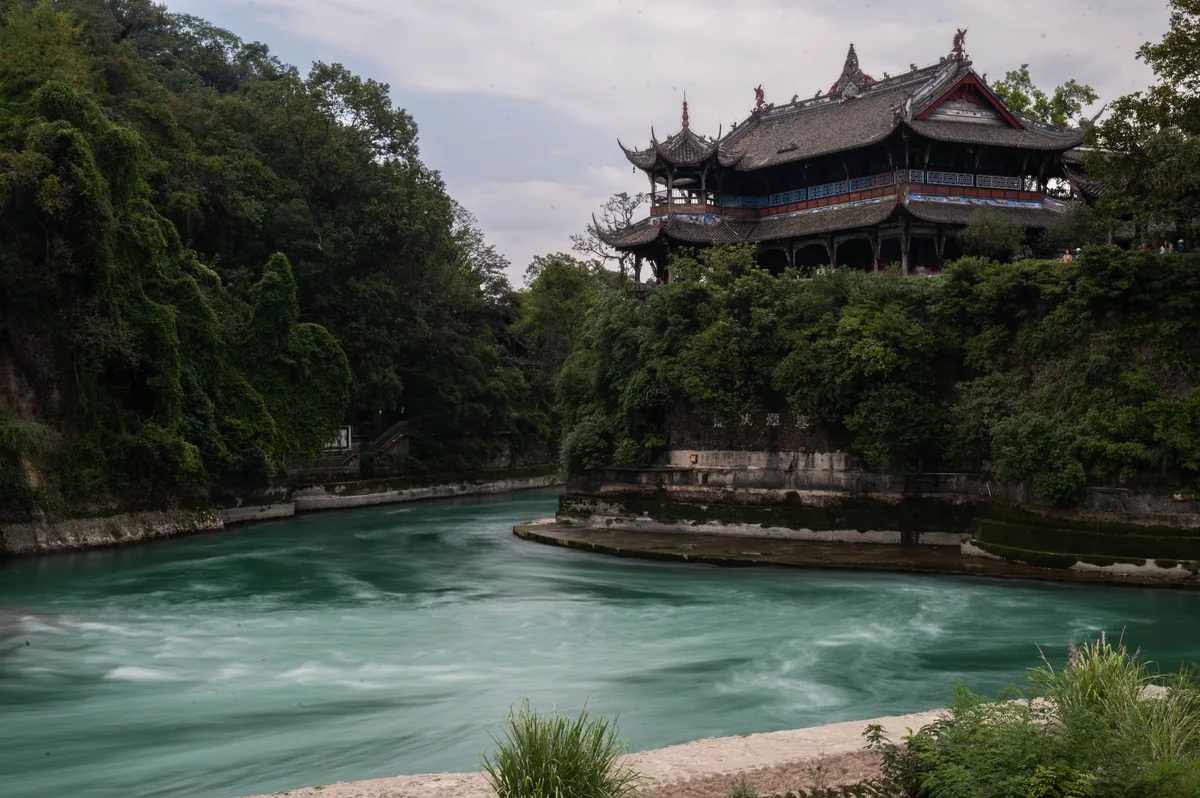
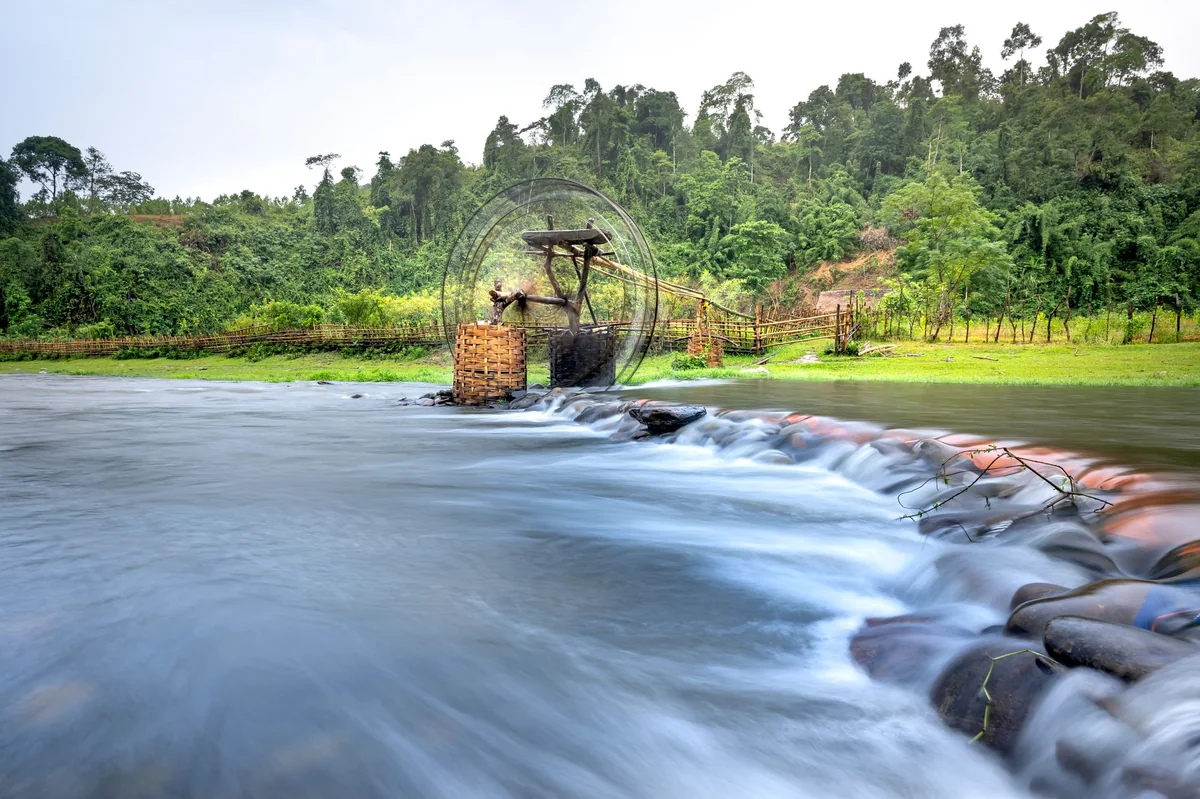
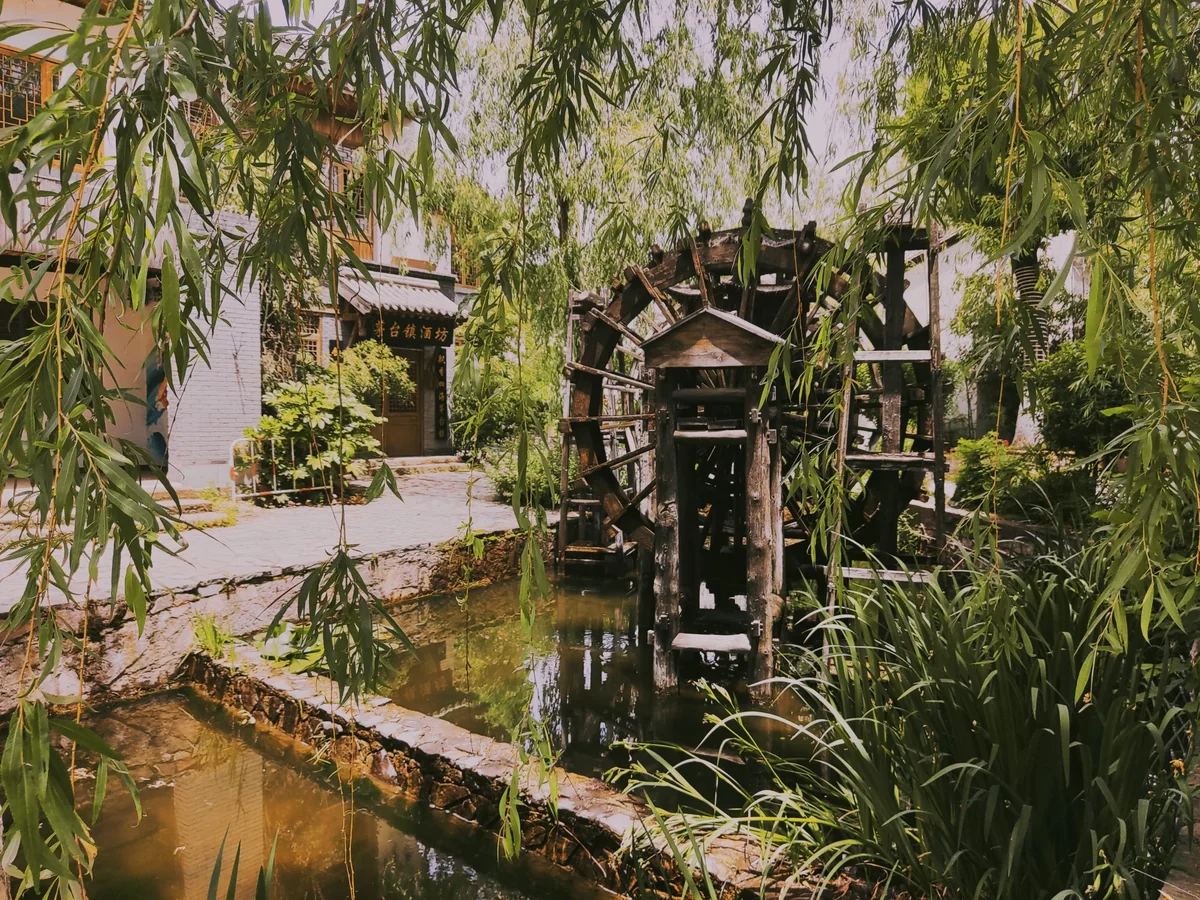
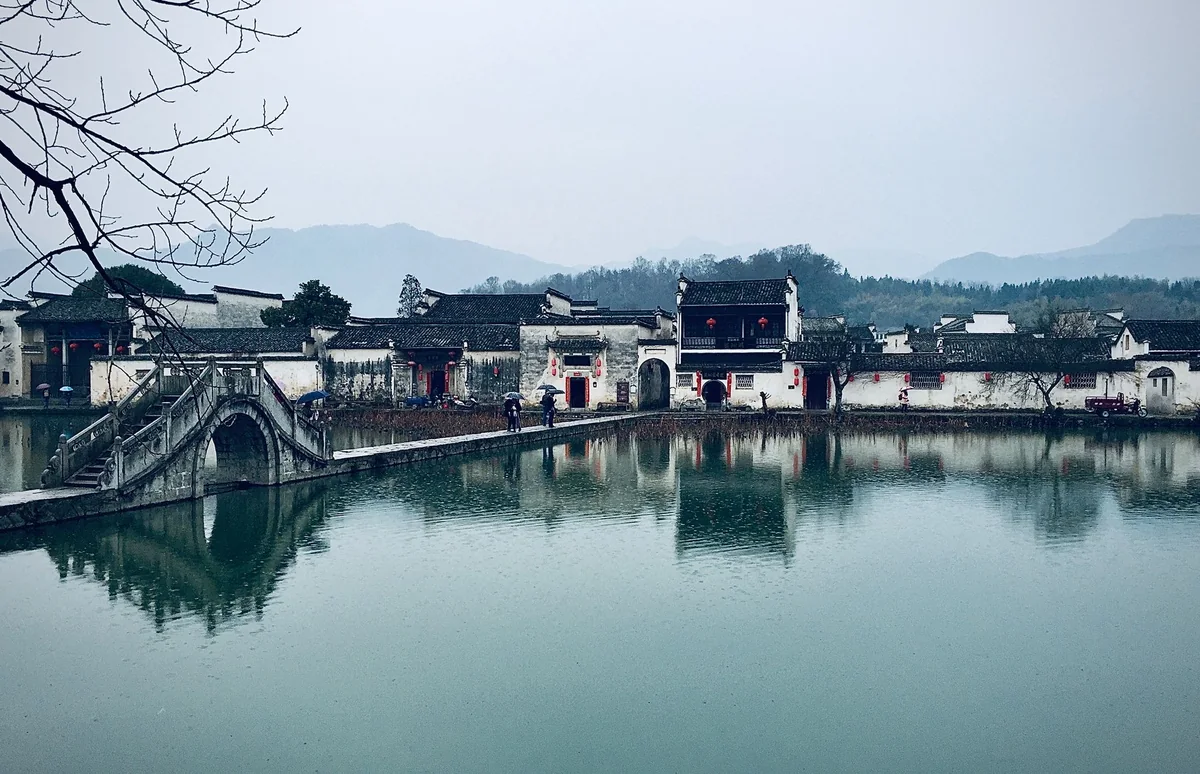
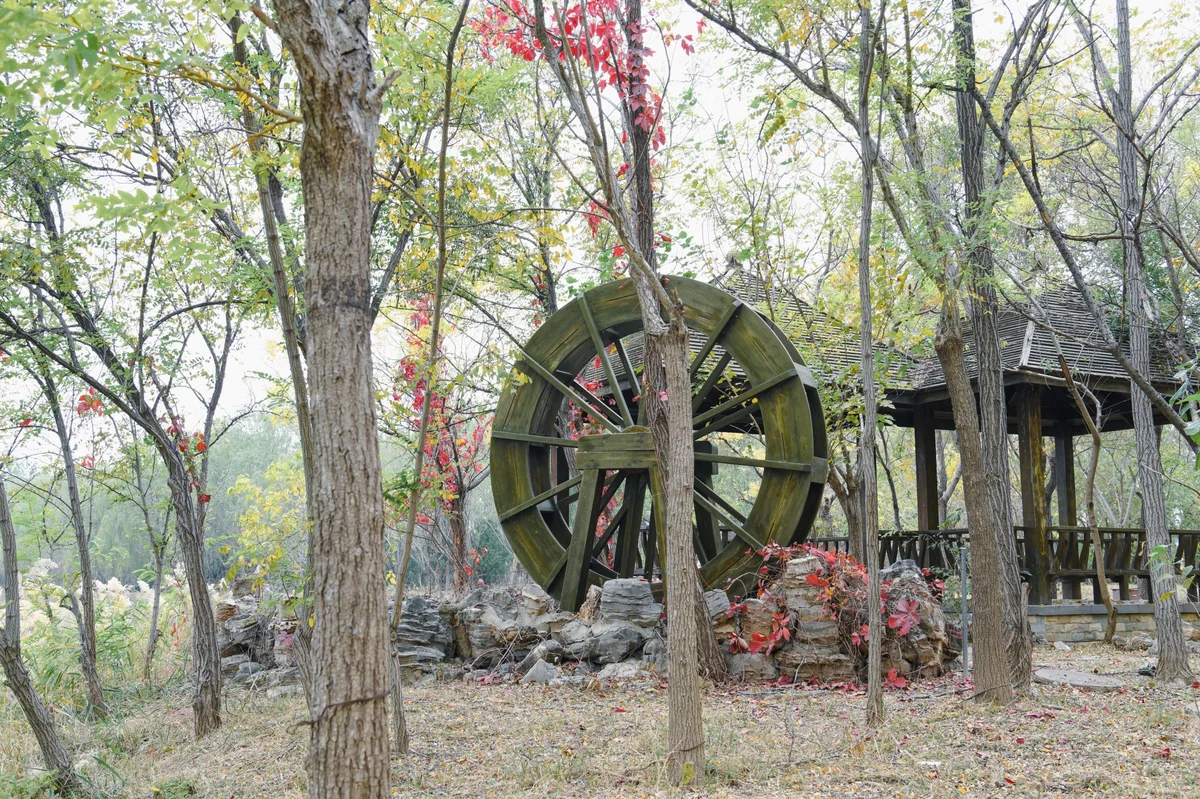
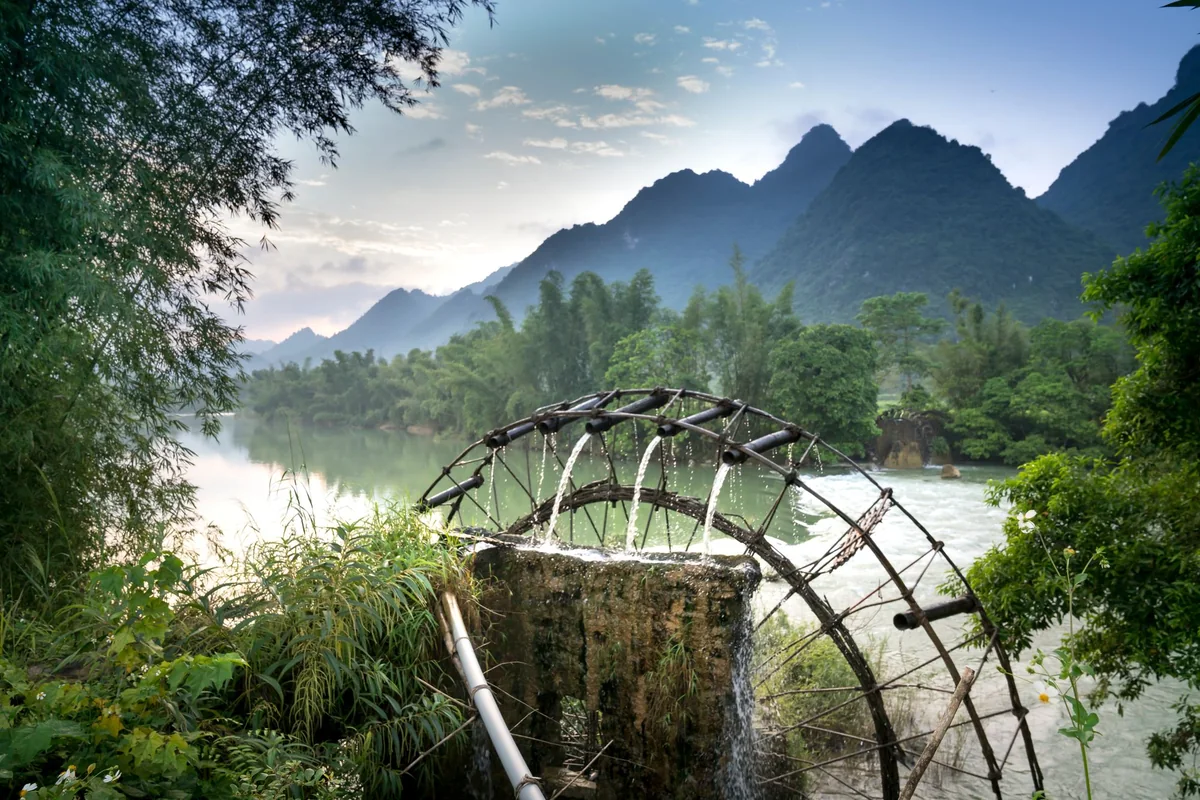
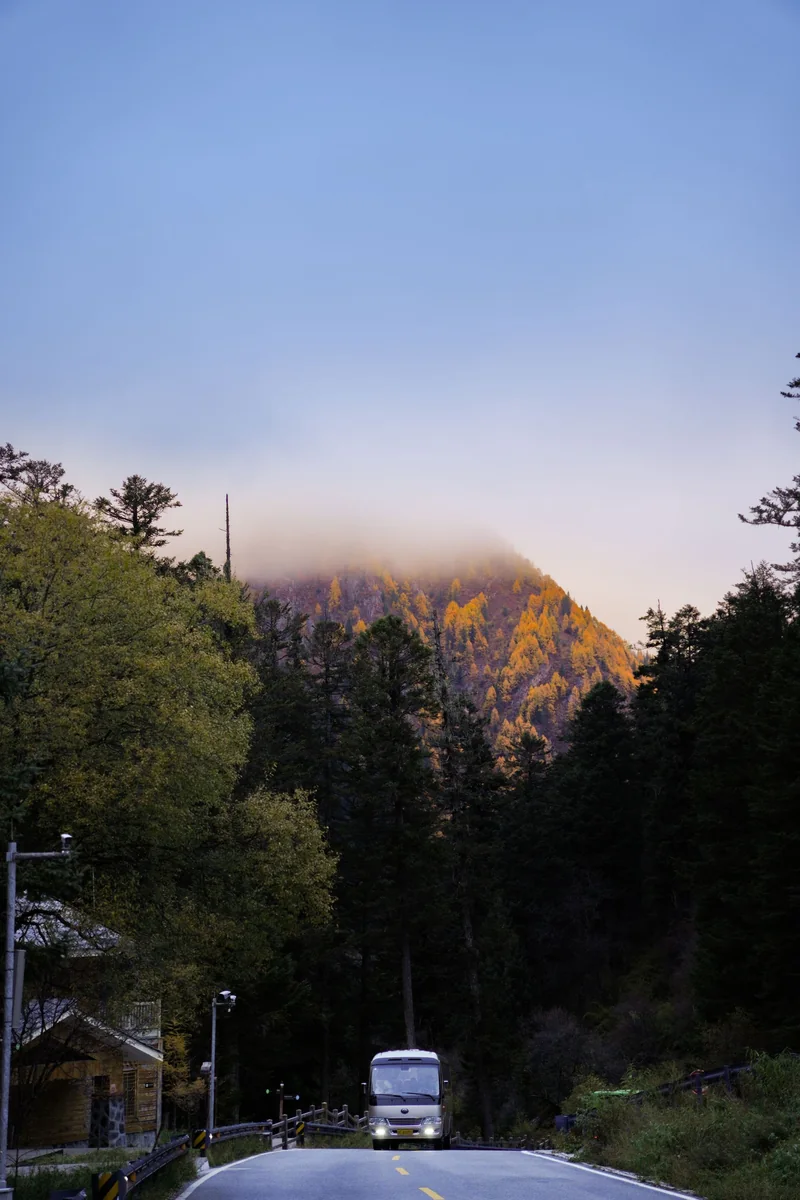
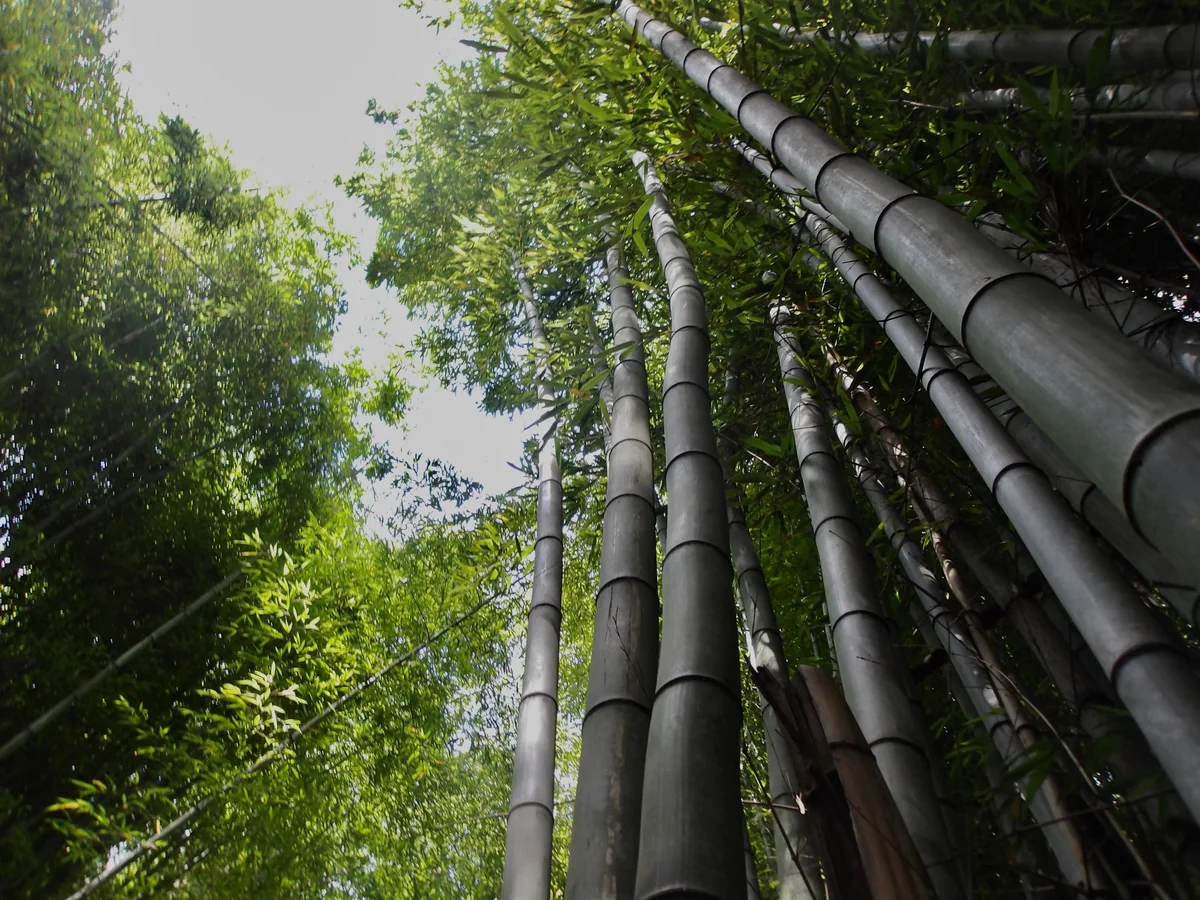
Photographs from the walking route between Yuzui and Baopingkou.
What guests say afterwards.
Notes from the guest book. Engineers tend to write the longest entries.
I am an engineer and I did not expect to be moved by a riverbed. Two thousand years, no dam, still working. Extraordinary.P.Delft, Netherlands · May
The suspension bridge was the highlight for the children. The temple was the highlight for me.The B. familyBristol, UK · August
We did the works in the morning and the mountain in the afternoon. Too much, honestly. Split them over two days.G.Chicago, USA · April
A guide for the first hour, then leave you alone.
The site makes no sense without someone explaining the three parts, and makes perfect sense once they have. After that, the best thing we can do is get out of your way.
Included for guests
- Tickets arranged, guide for the first hour
- Car both directions, thirty minutes each way
- Walking route: about three kilometres, flat
- Lunch held back at the house
水 · 宝瓶口The other three doors.
Most guests take one door a day and leave the afternoon empty.
Old water, hot water, four rooms.
Four rooms with private hot springs at the foot of the mountain, from ¥XXX a night with breakfast — half an hour from the fish-mouth levee.